

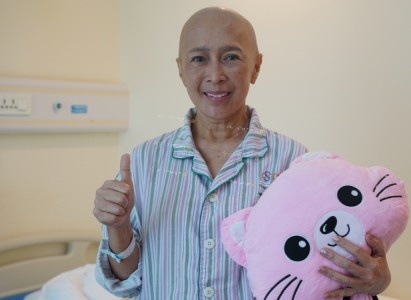
Diana Kartika Arma, a 57-year-old woman from Jakarta, Indonesia, was diagnosed with stage IB2 cervical cancer after experiencing abnormal vaginal bleeding during menopause in November 2021. Despite living a healthy lifestyle, the diagnosis shocked her deeply. Doctors in Indonesia recommended chemotherapy, but Diana was afraid of the severe side effects after seeing relatives suffer from weakness, hair loss, and poor quality of life during treatment. Because of this fear, she initially refused treatment and struggled emotionally, even losing around 8 kilograms due to anxiety and stress.
Later, Diana learned about minimally invasive cancer treatment through a friend who had previously received successful treatment at St. Stamford Modern Cancer Hospital Guangzhou. Encouraged by her friend’s recovery story, Diana decided to seek further consultation and eventually traveled to the hospital in June 2024.
Upon arrival, doctors conducted comprehensive examinations including PET-CT scans and tumor marker tests. The results revealed a cervical tumor measuring approximately 1.5 × 1.2 × 2.9 cm. After evaluation by a multidisciplinary medical team, doctors recommended a personalized minimally invasive treatment plan consisting of hysterectomy surgery combined with interventional therapy. The doctors explained that this approach could effectively remove the tumor while minimizing side effects and reducing the risk of recurrence.
At first, Diana was emotionally overwhelmed and worried about her future. She questioned why cancer happened to her despite maintaining healthy habits for years. However, the doctors patiently encouraged her and reassured her that many patients with more severe conditions had successfully recovered. Their support helped Diana regain confidence and courage to continue treatment.
On June 10, 2024, Diana underwent transabdominal generalized total hysterectomy and pelvic lymph node dissection. The surgery went smoothly, and she recovered well with minimal pain, nausea, or discomfort. During follow-up treatment, she also received interventional therapy, where anti-cancer drugs were delivered directly into the tumor blood supply. Compared to traditional chemotherapy, this method provided higher drug concentration to the tumor while causing fewer side effects to healthy tissues.
After several treatment sessions, Diana’s condition improved significantly. A CT scan conducted in October 2024 showed that the tumor had completely disappeared, and her tumor marker levels had nearly returned to normal. Her appetite improved, she gained weight, slept better, and regained a better quality of life.
Beyond medical treatment, Diana was touched by the warm care from the doctors, nurses, and her daughter, who accompanied and supported her throughout the journey. She expressed deep gratitude to the medical team for their encouragement, compassionate care, and comfortable environment during her recovery.
Today, Diana’s story has become an inspiration for many cancer patients, proving that with proper treatment, emotional support, and determination, cervical cancer can be fought successfully.