

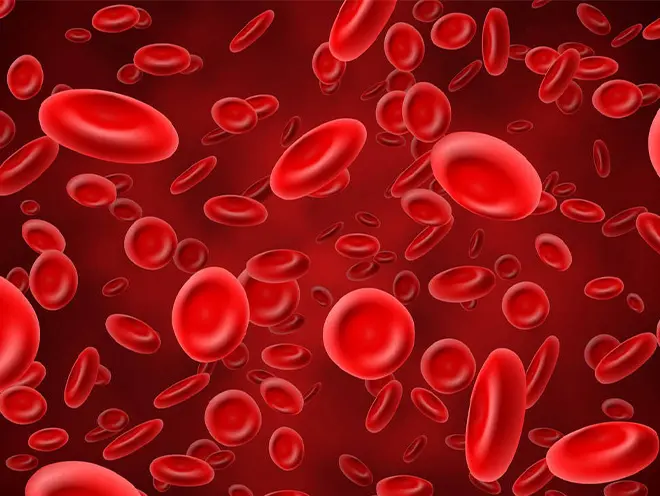
Leukemia is a type of blood cancer that begins in the bone marrow, the soft tissue inside bones where blood cells are produced. It mainly affects white blood cells, which normally help the body fight infection.
In leukemia, abnormal white blood cells grow uncontrollably and do not function properly. These unhealthy cells can crowd out normal blood cells, making it harder for the body to fight infections, carry oxygen, and stop bleeding.
At We Care Asia China, we understand that a leukemia diagnosis can feel overwhelming. Our goal is to help patients and families better understand the disease and explore suitable treatment options with confidence and clarity.
Types of Leukemia
Leukemia is generally classified based on how quickly it develops and which type of blood cell is affected.
1. Acute Leukemia
Acute leukemia develops rapidly and usually requires immediate treatment.
Acute Lymphoblastic Leukemia (ALL)
- Starts in immature lymphocytes, a type of white blood cell
- Commonly affects children, but adults can also develop it
- Progresses quickly if untreated
Acute Myeloid Leukemia (AML)
- Begins in immature myeloid cells
- More common in adults
- One of the most common forms of acute leukemia
2. Chronic Leukemia
Chronic leukemia develops more slowly and may not cause symptoms in the early stages.
Chronic Lymphocytic Leukemia (CLL)
- Affects mature lymphocytes
- Often progresses slowly over many years
- Usually occurs in older adults
Chronic Myeloid Leukemia (CML)
- Starts in myeloid cells called granulocytes
- May develop slowly at first before becoming more aggressive
- Often associated with specific genetic abnormalities
Common Symptoms of Leukemia
Symptoms may vary depending on the type and stage of leukemia. Some patients experience symptoms early, while others may not notice signs until the disease progresses.
Common symptoms include:
- Persistent fatigue or weakness
- Frequent infections
- Fever or night sweats
- Unexplained weight loss
- Pale skin
- Easy bruising or bleeding
- Nosebleeds or bleeding gums
- Bone or joint pain
- Swollen lymph nodes
- Enlarged liver or spleen
- Shortness of breath
- Small red or purple spots on the skin
These symptoms do not always mean leukemia is present, but persistent or worsening symptoms should be evaluated by a medical professional.
What Causes Leukemia?
The exact cause of leukemia is not always known. However, several factors may increase the risk of developing the disease, including:
- Previous chemotherapy or radiation treatment
- Exposure to high levels of radiation
- Exposure to chemicals such as benzene
- Smoking
- Certain genetic disorders
- Family history of leukemia
- Weak immune system
Many people diagnosed with leukemia have no clear risk factors.
How Leukemia Is Diagnosed
Doctors use several tests to confirm leukemia and determine its type and stage.
Blood Tests
Blood samples are used to check:
- White blood cell levels
- Red blood cell levels
- Platelet counts
- Presence of abnormal cells
Bone Marrow Examination
A sample of bone marrow may be taken from the hip bone to confirm the diagnosis and evaluate the extent of the disease.
Imaging Tests
Scans such as CT, MRI, or PET imaging may help determine whether leukemia has spread to other areas of the body.
Genetic and Molecular Testing
Some leukemia types are linked to specific genetic changes. Advanced laboratory testing helps doctors choose the most effective treatment plan.
Treatment Options for Leukemia
Treatment depends on:
- The type of leukemia
- Whether it is acute or chronic
- The patient’s age and general health
- The stage and aggressiveness of the disease
At We Care Asia China, treatment plans are personalized according to each patient’s condition and medical needs.
Common Treatment Methods
Chemotherapy
Uses anti-cancer drugs to destroy leukemia cells.
Targeted Therapy
Targets specific genetic or molecular abnormalities in leukemia cells while minimizing damage to healthy cells.
Immunotherapy
Helps the immune system recognize and attack cancer cells more effectively.
Stem Cell or Bone Marrow Transplant
Replaces damaged bone marrow with healthy stem cells after intensive treatment.
Radiation Therapy
May be used in selected cases to control leukemia cells in specific areas of the body.
Supportive Care
Includes blood transfusions, infection control, nutritional support, and symptom management to improve quality of life during treatment.
Can Leukemia Be Treated Successfully?
Many types of leukemia can now be treated effectively, especially when diagnosed early. Some patients achieve long-term remission, while others can manage leukemia as a chronic condition for many years.
Advances in targeted therapy, immunotherapy, and precision medicine have significantly improved treatment outcomes for many patients.
When Should You See a Doctor?
You should seek medical attention if you experience:
- Persistent fatigue
- Frequent infections
- Unexplained bleeding or bruising
- Ongoing fever
- Unexplained weight loss
- Swollen lymph nodes
- Persistent bone pain
Early diagnosis plays an important role in improving treatment success and long-term outcomes.
Compassionate Cancer Care at We Care Asia China
At We Care Asia China, we are committed to helping patients access advanced cancer care with compassion and personalized support. Our team works closely with patients and families to provide guidance throughout every stage of diagnosis, treatment, and recovery.
We believe that informed patients make stronger decisions, and we are here to support you every step of the way.