

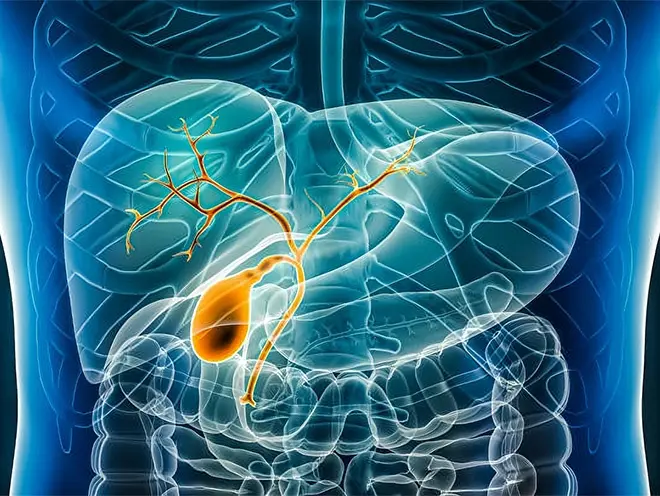
Gallbladder cancer is a rare but serious disease that begins in the gallbladder, a small organ located beneath the liver. The gallbladder stores bile, a digestive fluid that helps break down fats. Because early-stage gallbladder cancer often causes few or no symptoms, many patients are diagnosed only after the disease has progressed.
At We Care Asia China, we believe that understanding the disease is the first step toward making informed treatment decisions. This guide explains gallbladder cancer in clear and simple language to help patients and families better understand the condition.
What Causes Gallbladder Cancer?
The exact cause of gallbladder cancer is not always known. However, several factors may increase the risk of developing the disease, including:
- Gallstones
- Chronic inflammation of the gallbladder
- Gallbladder polyps
- Obesity
- Smoking
- Older age
- Family history of gallbladder disease
Long-term irritation and inflammation of the gallbladder may increase the chances of abnormal cell growth, which can eventually develop into cancer.
Common Symptoms of Gallbladder Cancer
In its early stages, gallbladder cancer may not cause noticeable symptoms. As the disease progresses, patients may experience:
- Pain or discomfort in the upper right abdomen
- Indigestion or bloating
- Nausea and vomiting
- Loss of appetite
- Unexplained weight loss
- Jaundice (yellowing of the skin and eyes)
- Fever
- Fatigue
- Itchy skin
Some patients may also feel a lump or swelling in the upper abdomen. Because these symptoms can resemble other digestive problems, medical evaluation is important for an accurate diagnosis.
How Gallbladder Cancer Is Diagnosed
Doctors may use several tests to confirm gallbladder cancer and determine how far it has spread. Common diagnostic methods include:
Ultrasound Examination
Ultrasound is often the first imaging test used to detect abnormalities in the gallbladder.
CT Scan
A CT scan provides detailed images that help doctors evaluate tumor size and whether the cancer has spread to nearby organs or lymph nodes.
MRI Scan
MRI is useful for examining the liver, bile ducts, and surrounding tissues in greater detail.
PET-CT Scan
PET-CT helps identify cancer activity throughout the body and detect possible metastasis.
Blood Tests
Blood tests and tumor marker evaluations may support the diagnosis and help monitor the patient’s condition.
Stages of Gallbladder Cancer
Gallbladder cancer is generally divided into stages based on how far the cancer has spread:
- Stage I: Cancer is limited to the inner layers of the gallbladder.
- Stage II: Cancer has spread into the muscular layer.
- Stage III: Cancer extends into nearby organs or lymph nodes.
- Stage IV: Cancer has spread to distant organs such as the liver or lungs.
Early detection usually offers better treatment outcomes and more treatment options.
Treatment Options for Gallbladder Cancer
Treatment depends on the stage of the cancer, the patient’s overall health, and whether the cancer has spread.
Surgery
Surgery may be recommended if the cancer is detected early and can be completely removed.
Chemotherapy
Chemotherapy uses drugs to destroy cancer cells or slow their growth.
Radiation Therapy
Radiation therapy uses high-energy rays to target cancer cells and relieve symptoms.
Targeted Therapy
Targeted therapy focuses on specific cancer-related molecules and may be recommended for selected patients.
Minimally Invasive Cancer Treatments
At We Care Asia China, patients may explore minimally invasive cancer treatment approaches designed to target tumors with reduced damage to healthy tissues. These therapies may help reduce side effects, shorten recovery time, and improve quality of life for suitable patients.
Importance of Early Detection
Gallbladder cancer is often difficult to detect in its early stages because symptoms may be mild or absent. Individuals with gallstones, chronic gallbladder inflammation, or persistent digestive symptoms should consider regular medical check-ups and imaging examinations.
Early diagnosis can increase treatment options and improve the chances of better outcomes.
Support and Personalized Care
A gallbladder cancer diagnosis can be emotionally challenging for both patients and families. Comprehensive care includes not only medical treatment but also emotional support, nutritional guidance, and personalized treatment planning.
At We Care Asia China, our goal is to help patients understand their condition clearly and explore suitable treatment options with confidence.