

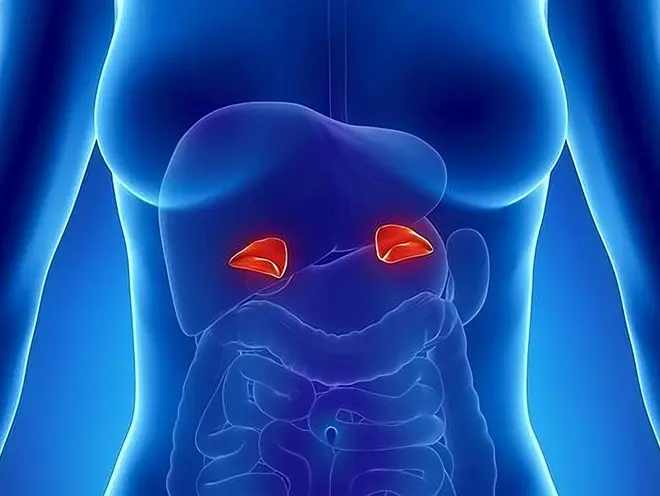
Adrenal cancer is a rare type of cancer that develops in the adrenal glands, which are small glands located above each kidney. These glands produce hormones that help regulate blood pressure, metabolism, stress response, and other important body functions. When abnormal cells grow uncontrollably in the adrenal glands, they can form a malignant tumor known as adrenal cancer.
Understanding the Adrenal Glands
The body normally has two adrenal glands. Each gland has two main parts:
- Adrenal cortex – produces hormones such as cortisol and aldosterone
- Adrenal medulla – produces adrenaline-related hormones
Adrenal cancer most commonly begins in the adrenal cortex and is often referred to as adrenocortical carcinoma (ACC). In some cases, tumors may also develop in the adrenal medulla.
Symptoms of Adrenal Cancer
Symptoms vary depending on whether the tumor produces excess hormones. Some patients may not notice symptoms during the early stages. Common signs and symptoms may include:
- Unexplained weight gain or weight loss
- High blood pressure
- Muscle weakness
- Persistent abdominal or back pain
- Excessive sweating
- Changes in hormone levels
- Fatigue
- Increased body hair growth or hormonal imbalance
- A lump or swelling in the abdomen
Because these symptoms can resemble other medical conditions, proper medical evaluation is important for an accurate diagnosis.
Causes and Risk Factors
The exact cause of adrenal cancer is not always known. However, several factors may increase the risk, including:
- Genetic syndromes or inherited conditions
- Family history of endocrine tumors
- Hormonal disorders
- Certain genetic mutations
Although adrenal cancer is rare, early detection can improve treatment outcomes.
How Adrenal Cancer Is Diagnosed
Doctors may use several tests to diagnose adrenal cancer and determine its stage, including:
- Physical examination and medical history review
- Blood and urine hormone tests
- CT scan
- MRI scan
- Ultrasound imaging
- Biopsy in selected cases
Imaging tests help doctors evaluate the size of the tumor and whether the cancer has spread to nearby tissues or other organs.
Treatment Options for Adrenal Cancer
Treatment depends on the size of the tumor, the stage of cancer, and the patient’s overall health. Common treatment approaches may include:
Surgery
Surgical removal of the tumor is often considered the main treatment for localized adrenal cancer. Early-stage tumors may have a better chance of successful treatment through surgery.
Chemotherapy and Radiation Therapy
Chemotherapy and radiation therapy may be recommended for advanced or metastatic adrenal cancer to help control cancer growth and relieve symptoms.
Minimally Invasive Cancer Treatments
At We Care Asia China, patients may also explore minimally invasive cancer therapies designed to target tumors with less trauma to the body. Depending on the patient’s condition, treatment options may include:
- Cryosurgery
- Radiofrequency Ablation (RFA)
- Brachytherapy
- Interventional therapy
- Comprehensive targeted cancer treatment approaches
These treatments aim to minimize damage to healthy tissue, shorten recovery time, and improve patient comfort.
Importance of Early Detection
Adrenal cancer can be difficult to detect in its early stages because symptoms may not appear immediately. Regular health checkups and prompt medical attention for unusual symptoms can help identify the disease earlier and improve treatment opportunities.
Personalized Cancer Care at We Care Asia China
At We Care Asia China, patients receive personalized cancer care based on their medical condition and treatment needs. A multidisciplinary medical team works together to develop individualized treatment plans using modern diagnostic tools and minimally invasive technologies to support better treatment outcomes and quality of life.