

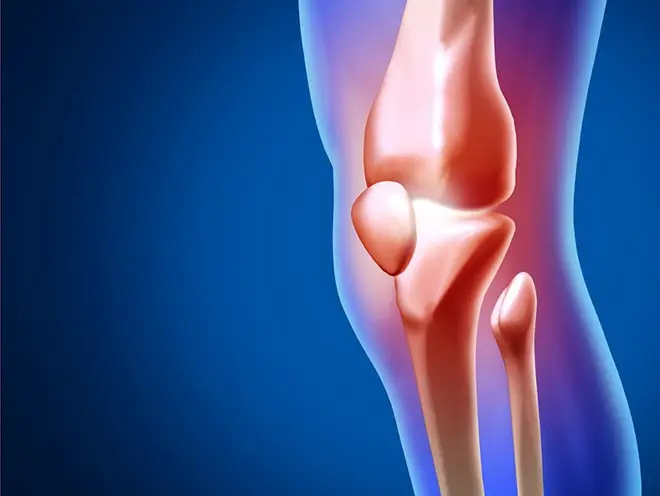
Soft tissue cancer, also known as soft tissue sarcoma, is a rare type of cancer that develops in the body’s soft tissues. These tissues include muscles, fat, blood vessels, nerves, tendons, ligaments, and other connective tissues that support and surround organs and bones. Soft tissue cancer can appear in almost any part of the body, but it is most commonly found in the arms, legs, abdomen, and chest.
Because soft tissue cancer is uncommon and may not cause symptoms in its early stages, many people do not realize they have the disease until the tumor becomes larger. Early diagnosis and proper treatment are important to improve treatment outcomes and quality of life.
Common Symptoms of Soft Tissue Cancer
The symptoms of soft tissue cancer can vary depending on the location and size of the tumor. Some patients may not notice any symptoms at first. However, common signs may include:
- A painless lump or swelling that gradually increases in size
- Pain or discomfort if the tumor presses on nerves or muscles
- Difficulty moving a limb or joint
- Abdominal pain or bloating when the tumor develops in the abdomen
- Numbness or weakness in the affected area
- Unexplained weight loss or fatigue in advanced cases
Any lump that continues to grow or does not disappear should be examined by a medical professional as soon as possible.
Causes and Risk Factors
The exact cause of soft tissue cancer is not always clear. However, several factors may increase the risk of developing this disease, including:
- Genetic disorders inherited within families
- Previous radiation therapy
- Exposure to certain chemicals
- Long-term swelling of lymph vessels (lymphedema)
- Age, especially in older adults
In many cases, soft tissue cancer develops without any obvious risk factors.
Types of Soft Tissue Cancer
There are many different types of soft tissue sarcoma, depending on the tissue where the cancer begins. Some common types include:
- Liposarcoma (fat tissue)
- Leiomyosarcoma (smooth muscle tissue)
- Fibrosarcoma (fibrous tissue)
- Angiosarcoma (blood vessels)
- Synovial sarcoma (tissues around joints)
- Rhabdomyosarcoma (skeletal muscle tissue)
Each type may behave differently and require a personalized treatment plan.
How Soft Tissue Cancer Is Diagnosed
Doctors may use several methods to diagnose soft tissue cancer, including:
- Physical examination
- MRI scan
- CT scan
- PET scan
- Ultrasound imaging
- Biopsy to examine tumor tissue in the laboratory
Accurate diagnosis helps determine the cancer stage and the most suitable treatment approach for each patient.
Treatment Options for Soft Tissue Cancer
Treatment depends on the type, size, location, and stage of the cancer, as well as the patient’s overall health. Common treatment methods include:
Surgery
Surgery is often used to remove the tumor and some surrounding tissue to reduce the risk of recurrence.
Radiation Therapy
Radiation therapy may be used before or after surgery to destroy remaining cancer cells and help control tumor growth.
Chemotherapy
Chemotherapy uses anti-cancer drugs to kill cancer cells or slow their growth, especially in advanced or metastatic cases.
Targeted Therapy and Immunotherapy
Some patients may benefit from targeted drugs or immunotherapy that focus specifically on cancer cells while minimizing damage to healthy tissue.
Minimally Invasive Cancer Treatments
At We Care Asia China, patients may also explore advanced minimally invasive treatment approaches designed to target tumors with reduced pain, smaller wounds, and faster recovery times. These treatments may include interventional therapy, microwave ablation, NanoKnife technology, seed implantation therapy, and other modern cancer treatment technologies.
Personalized Cancer Care at We Care Asia China
We Care Asia China supports patients with comprehensive and personalized cancer care by collaborating with multidisciplinary medical teams. Treatment plans are tailored to each patient’s condition, aiming to improve effectiveness while maintaining comfort and quality of life.
In addition to medical treatment, patients may receive supportive services such as nutritional guidance, language assistance, and international patient support to help them feel more comfortable throughout the treatment journey.
Importance of Early Detection
Although soft tissue cancer is rare, early detection can significantly improve treatment success. If you notice an unusual lump, swelling, or persistent pain, it is important to seek medical evaluation promptly.
With advances in modern cancer care and minimally invasive treatment technologies, many patients today have more treatment options and better opportunities for recovery and long-term disease management.