

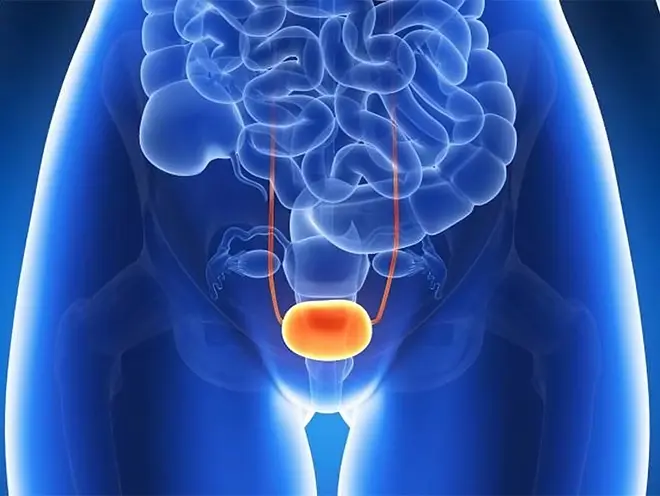
Bladder cancer is a type of cancer that begins in the tissues of the bladder, the hollow organ in the lower abdomen that stores urine. This disease develops when abnormal cells in the bladder lining grow uncontrollably and form a tumor. In many cases, bladder cancer can be treated successfully, especially when detected early.
At We Care Asia China, we are committed to helping patients and families better understand bladder cancer, its warning signs, and available treatment options so they can make informed healthcare decisions.
What Is the Bladder?
The bladder is part of the urinary system. Its main role is to store urine produced by the kidneys before it leaves the body through the urethra. The bladder expands as it fills and contracts when urine is released.
What Is Bladder Cancer?
Bladder cancer usually starts in the inner lining of the bladder. The most common type is called urothelial carcinoma (also known as transitional cell carcinoma), which accounts for the majority of bladder cancer cases. Other less common types include squamous cell carcinoma and adenocarcinoma.
Some bladder cancers remain limited to the inner lining, while others may grow deeper into the bladder wall or spread to nearby organs and other parts of the body.
Common Symptoms of Bladder Cancer
The symptoms of bladder cancer can vary from person to person. The most common warning sign is blood in the urine, which may appear pink, red, or brown. In some cases, blood may not be visible and is only detected through laboratory tests.
Other symptoms may include:
- Frequent urination
- Pain or burning during urination
- Sudden urge to urinate
- Difficulty urinating
- Lower back or pelvic pain
- Recurrent urinary tract infections
In advanced stages, symptoms may include fatigue, weight loss, bone pain, or swelling in the legs.
Risk Factors for Bladder Cancer
Several factors can increase the risk of developing bladder cancer. Smoking is considered the leading risk factor because harmful chemicals from tobacco can accumulate in the bladder.
Other risk factors include:
- Increasing age
- Exposure to industrial chemicals
- Long-term bladder irritation or infection
- Previous radiation therapy or chemotherapy
- Family history of bladder cancer
- Chronic use of urinary catheters
- Exposure to arsenic-contaminated water
Men are generally more likely to develop bladder cancer than women.
Types of Bladder Cancer
Bladder cancer is classified based on the type of cells involved and how deeply the cancer has spread.
Non-Muscle-Invasive Bladder Cancer (NMIBC)
This type remains in the inner layers of the bladder and has not spread into the bladder muscle. It is often highly treatable but may recur over time.
Muscle-Invasive Bladder Cancer (MIBC)
This cancer has spread into the muscle layer of the bladder and may require more aggressive treatment.
Metastatic Bladder Cancer
In advanced stages, cancer cells can spread to lymph nodes, bones, lungs, liver, or other organs.
How Bladder Cancer Is Diagnosed
Doctors may use several tests to diagnose bladder cancer and determine its stage.
Common diagnostic methods include:
- Urine tests
- Blood tests
- Imaging scans such as CT scan or MRI
- Cystoscopy, where a thin camera is inserted into the bladder
- Biopsy to examine suspicious tissue under a microscope
Early diagnosis plays an important role in improving treatment outcomes.
Stages of Bladder Cancer
Bladder cancer is staged based on how far it has spread.
- Stage 0–I: Cancer is limited to the bladder lining or connective tissue
- Stage II: Cancer has spread into the bladder muscle
- Stage III: Cancer has spread outside the bladder to nearby tissues or lymph nodes
- Stage IV: Cancer has spread to distant organs
Understanding the stage helps doctors choose the most suitable treatment plan.
Treatment Options for Bladder Cancer
Treatment depends on the type, stage, and overall condition of the patient.
Surgery
Surgery is one of the most common treatments for bladder cancer. Procedures may include removal of the tumor, part of the bladder, or the entire bladder in advanced cases.
Intravesical Therapy
For early-stage bladder cancer, medication may be placed directly into the bladder through a catheter. This can include chemotherapy or immunotherapy drugs.
Chemotherapy
Chemotherapy uses drugs to destroy cancer cells and may be given before or after surgery.
Immunotherapy
Immunotherapy helps the body’s immune system recognize and attack cancer cells. Some patients with recurrent or advanced bladder cancer may benefit from this approach.
Radiation Therapy
Radiation uses high-energy rays to target and destroy cancer cells.
Targeted Therapy
Certain advanced bladder cancers may respond to targeted treatments designed for specific cancer cell changes.
Can Bladder Cancer Be Prevented?
Although not all cases can be prevented, several lifestyle changes may help reduce the risk:
- Stop smoking
- Avoid exposure to harmful chemicals
- Drink enough water
- Maintain a healthy lifestyle
- Seek medical attention for urinary symptoms early
Living With Bladder Cancer
Bladder cancer may require long-term monitoring because it can return even after successful treatment. Regular follow-up appointments and screenings are important for maintaining health and detecting recurrence early.
At We Care Asia China, we support patients through every stage of their cancer journey by providing information, guidance, and access to advanced cancer care options.