

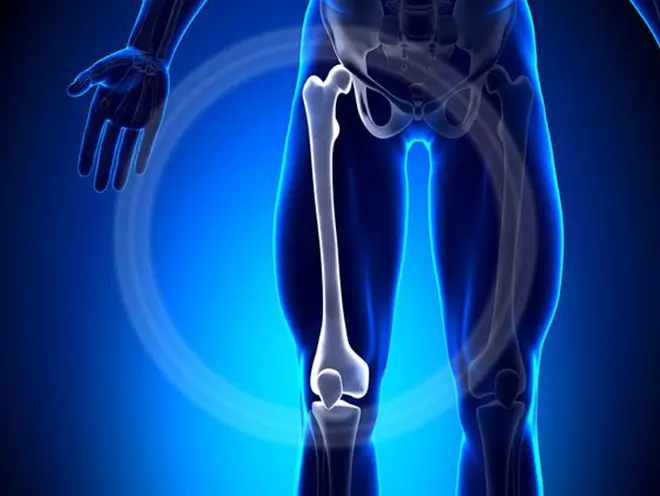
Bone cancer is a rare type of cancer that develops when abnormal cells grow uncontrollably in the bones. It can begin in any bone in the body, but it most commonly affects the arms, legs, pelvis, and spine. Bone cancer may occur in both children and adults, although some types are more common in teenagers and young adults.
At We Care Asia China, we understand that a cancer diagnosis can feel overwhelming. Our goal is to help patients and families better understand bone cancer, its symptoms, diagnosis, and available treatment options in a clear and supportive way.
What Is Bone Cancer?
Bone cancer is divided into two main categories:
Primary Bone Cancer
Primary bone cancer starts directly in the bone tissue itself. This type is relatively rare compared to many other cancers. Common types include:
- Osteosarcoma – Often develops in teenagers and young adults, usually near the knees or upper arms
- Ewing Sarcoma – Commonly affects children and adolescents
- Chondrosarcoma – Usually occurs in adults and begins in cartilage cells
- Chordoma – A slow-growing cancer that often develops in the spine or skull base
Secondary (Metastatic) Bone Cancer
This occurs when cancer from another part of the body spreads to the bones. Cancers of the breast, lung, prostate, kidney, and thyroid are among the most common cancers that can spread to bone.
Causes and Risk Factors
The exact cause of bone cancer is not always known. However, several factors may increase the risk, including:
- Genetic conditions or inherited syndromes
- Previous radiation exposure
- Certain bone diseases
- Rapid bone growth during adolescence
- Family history of bone cancer
In many cases, bone cancer develops without any clear risk factors.
Symptoms of Bone Cancer
Symptoms may vary depending on the size and location of the tumor. Common signs include:
- Persistent bone pain
- Swelling or tenderness near a bone or joint
- A noticeable lump
- Difficulty moving a limb or joint
- Bone fractures caused by weakened bones
- Fatigue
- Unexplained weight loss
- Fever in some cases
Because these symptoms can also be caused by non-cancerous conditions, proper medical evaluation is important for an accurate diagnosis.
How Bone Cancer Is Diagnosed
Doctors may use several tests to confirm bone cancer and determine its stage, including:
- Physical examination
- X-rays
- MRI scans
- CT scans
- PET scans
- Bone scans
- Blood tests
- Biopsy to examine tissue samples under a microscope
An early and accurate diagnosis helps doctors create a more effective treatment plan.
Treatment Options for Bone Cancer
Treatment depends on the type of bone cancer, its location, stage, and the patient’s overall health. Common treatment methods include:
Surgery
Surgery is often the main treatment for primary bone cancer. The goal is to remove the tumor while preserving as much normal bone and function as possible. Modern surgical techniques often allow limb-sparing procedures instead of amputation.
Chemotherapy
Chemotherapy uses anti-cancer drugs to destroy cancer cells and may be used before or after surgery.
Radiation Therapy
Radiation therapy uses high-energy rays to target cancer cells and may help shrink tumors or control symptoms.
Minimally Invasive Cancer Treatments
At We Care Asia China, patients may also explore minimally invasive cancer therapies designed to reduce pain, shorten recovery time, and improve quality of life. Treatment plans are personalized according to each patient’s condition and needs.
Living with Bone Cancer
A bone cancer diagnosis affects both physical and emotional health. Supportive care, rehabilitation, nutrition management, and emotional support are important parts of the recovery journey.
Regular follow-up appointments are also essential because some bone cancers can return after treatment.
Why Early Detection Matters
Early diagnosis and timely treatment can significantly improve treatment outcomes and help preserve mobility and daily function. Anyone experiencing ongoing bone pain or unexplained swelling should seek medical attention promptly.
At We Care Asia China, our multidisciplinary medical team is committed to providing comprehensive cancer care, personalized treatment planning, and compassionate support for every patient and family throughout the treatment journey.