

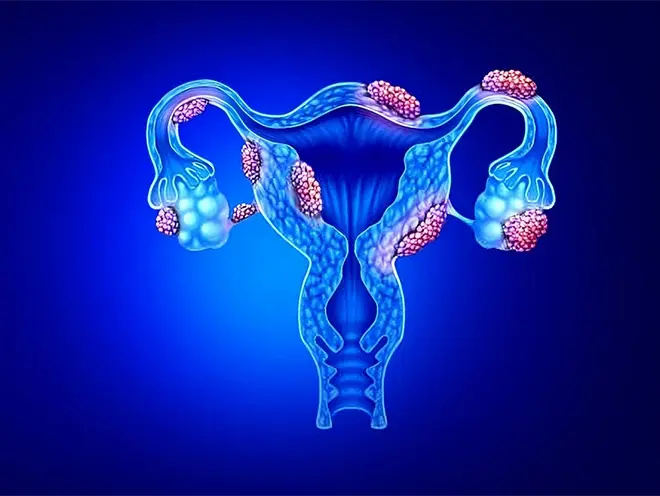
Endometrial cancer is a type of cancer that begins in the lining of the uterus, known as the endometrium. It is one of the most common gynecologic cancers in women and is often detected early because many patients experience unusual vaginal bleeding. Early diagnosis and proper treatment can significantly improve recovery outcomes.
At We Care Asia China, we are committed to helping patients better understand endometrial cancer, its symptoms, risk factors, diagnostic methods, and available treatment options in a clear and patient-friendly way.
What Causes Endometrial Cancer?
Endometrial cancer develops when cells in the uterine lining undergo abnormal changes and grow uncontrollably. Although the exact cause is not always known, several factors may increase the risk, including:
- Hormonal imbalance, especially excess estrogen
- Obesity
- Diabetes
- High blood pressure
- Menopause
- Family history of cancer
- Lynch syndrome
- Never having been pregnant
- Early menstruation or late menopause
These factors may increase exposure to estrogen, which can stimulate abnormal growth in the uterine lining.
Common Symptoms of Endometrial Cancer
The most common warning sign is abnormal vaginal bleeding, especially after menopause. Other symptoms may include:
- Bleeding between menstrual periods
- Unusual vaginal discharge
- Pelvic pain or pressure
- Pain during intercourse
- Painful urination
- Bloating or discomfort in the lower abdomen
Because these symptoms may also be caused by non-cancerous conditions, it is important to seek medical evaluation if they persist.
How Endometrial Cancer Is Diagnosed
Doctors may use several tests to diagnose endometrial cancer and determine how far it has spread. Common diagnostic procedures include:
Pelvic Examination
A physical examination helps doctors identify abnormalities in the reproductive organs.
Ultrasound
Transvaginal ultrasound can evaluate the thickness of the uterine lining and detect abnormal growths.
Endometrial Biopsy
A small sample of tissue is taken from the uterine lining and examined under a microscope to confirm whether cancer cells are present.
Imaging Tests
CT scans, MRI, or PET-CT scans may be recommended to determine the stage of the cancer and whether it has spread to other organs.
Stages of Endometrial Cancer
Endometrial cancer is generally classified into four stages:
- Stage 1: Cancer is limited to the uterus.
- Stage 2: Cancer has spread to the cervix.
- Stage 3: Cancer has spread outside the uterus but remains within the pelvic area.
- Stage 4: Cancer has spread to distant organs such as the bladder, lungs, liver, or lymph nodes.
Treatment Options for Endometrial Cancer
Treatment depends on the stage of the disease, the patient’s overall health, and individual medical needs. At We Care Asia China, patients may receive personalized treatment plans supported by modern medical technologies and multidisciplinary care.
Surgery
Surgery is the most common treatment for early-stage endometrial cancer. Procedures may include removal of the uterus, ovaries, fallopian tubes, and nearby lymph nodes.
Radiation Therapy
Radiation therapy uses high-energy rays to destroy cancer cells and may be recommended after surgery or for advanced cases.
Chemotherapy
Chemotherapy uses anti-cancer drugs to target and kill cancer cells throughout the body.
Hormone Therapy
Hormone-based treatment may help slow the growth of cancer cells that are sensitive to hormones.
Targeted Therapy and Immunotherapy
Advanced therapies such as targeted treatment and immunotherapy may help certain patients by attacking cancer cells more precisely while minimizing damage to healthy tissue.
Importance of Early Detection
Early detection plays a major role in improving survival rates and treatment success. Women who experience unusual bleeding or pelvic symptoms should seek medical attention promptly. Routine gynecological checkups and awareness of symptoms can help identify the disease at an earlier and more treatable stage.
Personalized Cancer Care at We Care Asia China
At We Care Asia China, we understand that every patient’s condition is unique. Our goal is to provide compassionate support, advanced medical guidance, and personalized treatment solutions for patients seeking comprehensive cancer care.