

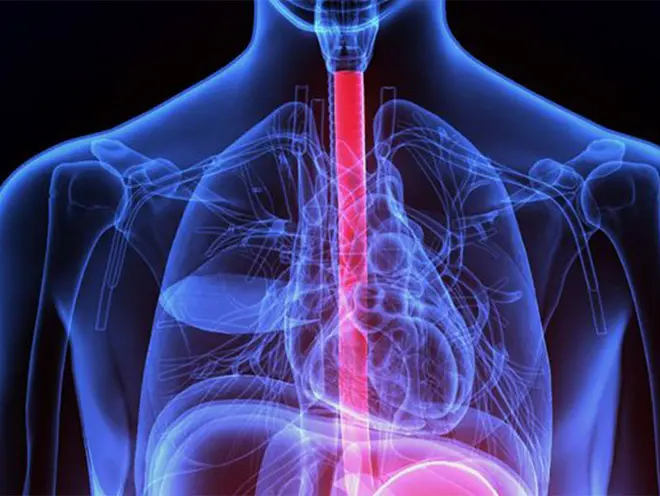
Esophageal cancer is a type of cancer that develops in the esophagus, the long muscular tube that carries food and liquids from the throat to the stomach. The disease begins when abnormal cells grow uncontrollably in the lining of the esophagus and gradually form a tumor. As the cancer grows, it can spread deeper into nearby tissues and other parts of the body.
Esophageal cancer is often difficult to detect in its early stages because symptoms may not appear until the tumor becomes larger. Early diagnosis and proper treatment are important for improving treatment outcomes and quality of life.
At We Care Asia China, we believe that understanding the disease clearly is the first step toward better cancer care and informed treatment decisions.
Types of Esophageal Cancer
There are two main types of esophageal cancer:
Adenocarcinoma
This is the most common type in many countries. It usually develops in the lower part of the esophagus and is often linked to long-term acid reflux or Barrett’s esophagus.
Squamous Cell Carcinoma
This type begins in the thin, flat cells lining the esophagus. It commonly occurs in the upper or middle part of the esophagus and is more strongly associated with smoking and alcohol consumption.
Common Symptoms of Esophageal Cancer
Symptoms may vary depending on the stage and location of the tumor. Common signs include:
- Difficulty swallowing (dysphagia)
- Pain or discomfort when swallowing
- Unexplained weight loss
- Chest pain or pressure
- Persistent cough or hoarseness
- Indigestion or heartburn
- Loss of appetite
- Fatigue and weakness
In many patients, difficulty swallowing is one of the earliest noticeable symptoms.
Causes and Risk Factors
Although the exact cause of esophageal cancer is not always known, several factors may increase the risk of developing the disease, including:
- Smoking and tobacco use
- Excessive alcohol consumption
- Chronic acid reflux (GERD)
- Barrett’s esophagus
- Obesity
- Poor dietary habits
- Frequent consumption of very hot beverages
- Family history of cancer
Long-term irritation or inflammation of the esophagus may also contribute to abnormal cell changes over time.
How Esophageal Cancer Is Diagnosed
Doctors may use several examinations and imaging tests to confirm esophageal cancer and determine its stage. Common diagnostic methods include:
Endoscopy
A thin flexible tube with a camera is inserted through the throat to examine the inside of the esophagus.
Biopsy
A small tissue sample is taken during endoscopy and examined under a microscope to confirm cancer cells.
CT Scan and PET Scan
These imaging tests help evaluate the size of the tumor and whether the cancer has spread.
Barium Swallow X-Ray
Patients swallow a contrast liquid that helps doctors observe abnormalities in the esophagus through X-ray imaging.
Endoscopic Ultrasound (EUS)
This procedure helps determine how deeply the cancer has invaded surrounding tissues.
Stages of Esophageal Cancer
Esophageal cancer is generally classified into stages based on tumor size and spread:
- Stage 0–1: Cancer is limited to the inner layers of the esophagus.
- Stage 2–3: Cancer has spread deeper into surrounding tissues or nearby lymph nodes.
- Stage 4: Cancer has spread to distant organs such as the liver or lungs.
Understanding the cancer stage helps doctors determine the most suitable treatment approach.
Treatment Options for Esophageal Cancer
Treatment depends on the type, location, and stage of the cancer, as well as the patient’s overall health condition.
Surgery
Surgery may be recommended to remove part or all of the esophagus, especially in early-stage cancer.
Chemotherapy
Anti-cancer drugs are used to destroy cancer cells or slow their growth.
Radiation Therapy
High-energy radiation is used to target and kill cancer cells.
Targeted Therapy and Immunotherapy
Some patients may benefit from newer therapies designed to specifically target cancer cells or strengthen the immune system.
Minimally Invasive Treatments
Modern minimally invasive procedures may help reduce pain, shorten recovery time, and improve treatment precision for selected patients.
At We Care Asia China, patients can explore comprehensive cancer care options supported by multidisciplinary medical teams and personalized treatment planning.
Can Esophageal Cancer Be Prevented?
While not all cases can be prevented, several lifestyle changes may help reduce the risk:
- Quit smoking
- Limit alcohol consumption
- Maintain a healthy body weight
- Eat more fruits and vegetables
- Manage acid reflux properly
- Attend regular medical check-ups if you have persistent digestive symptoms
Early screening may also be helpful for individuals with high-risk conditions such as Barrett’s esophagus.
Living With Esophageal Cancer
Esophageal cancer can affect eating, swallowing, and overall quality of life. Nutritional support, emotional care, and ongoing medical monitoring are important parts of treatment and recovery.
With advances in medical technology and personalized cancer care, many patients today have more treatment options and better support throughout their cancer journey.