

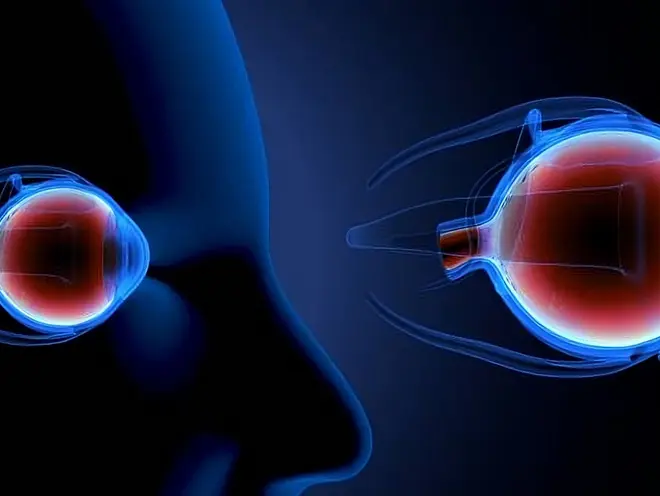
Eye cancer is a rare type of cancer that develops in or around the eye. It can affect different parts of the eye, including the eyeball, retina, eyelid, tear glands, and surrounding tissues. In some cases, cancer from other parts of the body may also spread to the eye. Although eye cancer is uncommon, early diagnosis and proper treatment can help protect vision and improve treatment outcomes.
Types of Eye Cancer
There are several types of eye cancer, depending on where the cancer begins. Common types include:
- Ocular Melanoma (Uveal Melanoma) – The most common eye cancer in adults, developing in the pigment-producing cells inside the eye.
- Retinoblastoma – A rare cancer that mainly affects young children and develops in the retina.
- Lymphoma of the Eye – Cancer that affects the immune cells inside the eye.
- Orbital and Eyelid Tumors – Cancers that develop in tissues surrounding the eye, including the eyelids and tear glands.
Symptoms of Eye Cancer
Eye cancer symptoms may vary depending on the type and location of the tumor. Some patients may not notice symptoms in the early stages. Common signs include:
- Blurred or reduced vision
- Seeing flashes or floating spots
- Eye pain or pressure
- A visible dark spot in the eye
- Bulging of the eye
- Redness or swelling
- Changes in pupil shape
- Sudden vision loss
If these symptoms continue or worsen, medical evaluation is strongly recommended.
Causes and Risk Factors
The exact cause of eye cancer is not always known, but several factors may increase the risk, such as:
- Genetic or inherited conditions
- Family history of eye cancer
- Excessive exposure to ultraviolet (UV) light
- Fair skin or light-colored eyes
- Increasing age
- Certain abnormal cell mutations
In children, retinoblastoma is often linked to genetic changes.
How Eye Cancer is Diagnosed
Doctors may use several tests to diagnose eye cancer and determine its stage, including:
- Comprehensive eye examination
- Retinal imaging and ultrasound
- CT scan or MRI
- Fluorescein angiography
- Genetic testing
- Biopsy or cytology examination in selected cases
Early diagnosis is important because some eye cancers can spread to other organs if left untreated.
Treatment Options for Eye Cancer
Treatment depends on the type, size, and stage of the cancer, as well as the patient’s overall condition. Common treatment methods include:
Surgery
Surgery may be performed to remove the tumor while preserving vision whenever possible. In advanced cases, removal of the eye may sometimes be necessary.
Radiation Therapy
Radiation therapy uses targeted radiation to destroy cancer cells while minimizing damage to surrounding healthy tissue.
Chemotherapy
Chemotherapy may be used for certain types of eye cancer, especially when cancer has spread.
Targeted Therapy and Immunotherapy
These advanced treatments help attack cancer cells more precisely and may improve treatment effectiveness for selected patients.
Minimally Invasive Cancer Treatments
We Care Asia China provides advanced minimally invasive cancer treatment approaches designed to reduce trauma, shorten recovery time, and improve patient comfort. Depending on the patient’s condition, treatment plans may include cryotherapy, interventional therapy, brachytherapy, or other personalized cancer therapies.
Why Early Detection Matters
Eye cancer can affect both vision and overall health. Detecting the disease early can increase treatment success, help preserve eyesight, and reduce the risk of cancer spreading to other parts of the body. Regular eye examinations are especially important for people with high-risk factors or family history of eye cancer.
Comprehensive Cancer Care at We Care Asia China
We Care Asia China is committed to helping international patients access professional cancer consultation and advanced treatment options in China. Through personalized treatment planning, multidisciplinary medical teams, and minimally invasive cancer therapies, patients receive care designed to improve both quality of life and treatment outcomes.