

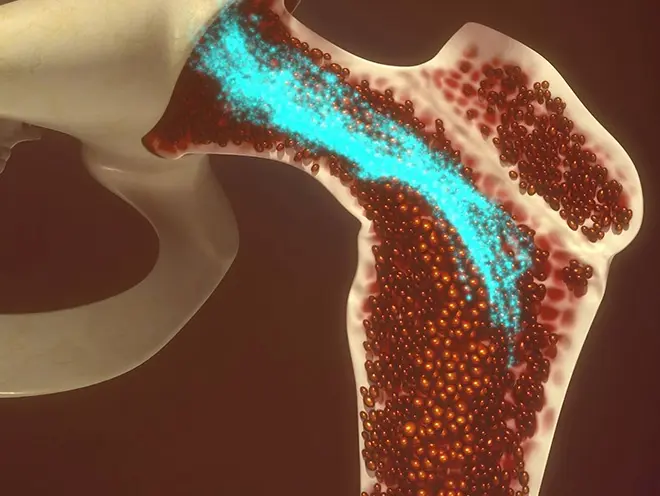
Multiple Myeloma is a type of blood cancer that develops in plasma cells, a kind of white blood cell found in the bone marrow. Under normal conditions, plasma cells help the body fight infections by producing antibodies. In Multiple Myeloma, these cells become abnormal, multiply uncontrollably, and produce unhealthy proteins that can damage bones, kidneys, and the immune system.
This disease most commonly affects older adults and may progress slowly in its early stages. Some people may not experience symptoms at first, while others may notice signs only after the condition becomes more advanced.
What Happens in Multiple Myeloma?
Bone marrow is the soft tissue inside bones where blood cells are produced. In Multiple Myeloma, abnormal plasma cells accumulate in the bone marrow and crowd out healthy blood cells. As a result, the body may struggle to produce enough red blood cells, white blood cells, and platelets.
The cancerous cells also produce abnormal proteins, often called M proteins, which can build up in the body and interfere with normal organ function, especially the kidneys.
Common Symptoms of Multiple Myeloma
Symptoms can vary from person to person. Common signs and symptoms include:
- Persistent bone pain, especially in the back, ribs, hips, or chest
- Fatigue and weakness caused by anemia
- Frequent infections due to a weakened immune system
- Unexplained weight loss
- Nausea or constipation
- Increased thirst and frequent urination
- Numbness or tingling in the hands or feet
- Easy bruising or bleeding
- Bone fractures or weakened bones
In some cases, Multiple Myeloma may be discovered during routine blood tests before symptoms appear.
Causes and Risk Factors
The exact cause of Multiple Myeloma is still unknown. However, researchers believe genetic changes in plasma cells may trigger the disease.
Several factors may increase the risk, including:
- Increasing age
- Family history of Multiple Myeloma
- Male gender
- Obesity
- Exposure to certain chemicals or radiation
- A history of MGUS (Monoclonal Gammopathy of Undetermined Significance), a condition that can develop into Multiple Myeloma over time
Although these factors may raise risk, many people with Multiple Myeloma have no clear cause.
Possible Complications
If left untreated, Multiple Myeloma can lead to serious complications, such as:
- Bone damage and fractures
- Kidney failure
- Severe anemia
- Frequent infections
- High calcium levels in the blood
- Nerve damage
Early diagnosis and proper treatment are important to help manage symptoms and reduce complications.
How Multiple Myeloma Is Diagnosed
Doctors may use several tests to diagnose Multiple Myeloma, including:
- Blood tests
- Urine tests
- Bone marrow biopsy
- X-rays, MRI, CT scan, or PET scan
- Genetic testing
These examinations help determine the stage of the disease and guide treatment planning.
Treatment Options for Multiple Myeloma
Treatment depends on the stage of the disease, symptoms, and overall health of the patient. Some patients with slow-growing disease may only require regular monitoring at first.
Common treatment options include:
- Chemotherapy
- Targeted therapy
- Immunotherapy
- Steroid therapy
- Stem cell transplantation
- Supportive care to manage pain and complications
Advancements in modern cancer treatment have significantly improved the quality of life and survival rates of many patients with Multiple Myeloma.
Comprehensive Cancer Care at We Care Asia China
At We Care Asia China, we understand that a diagnosis of Multiple Myeloma can be physically and emotionally challenging. Our goal is to help patients access advanced cancer care, personalized treatment options, and professional medical support throughout every stage of treatment.
We are committed to providing compassionate assistance, clear medical guidance, and access to modern treatment technologies to support better outcomes and improve patients’ quality of life.