

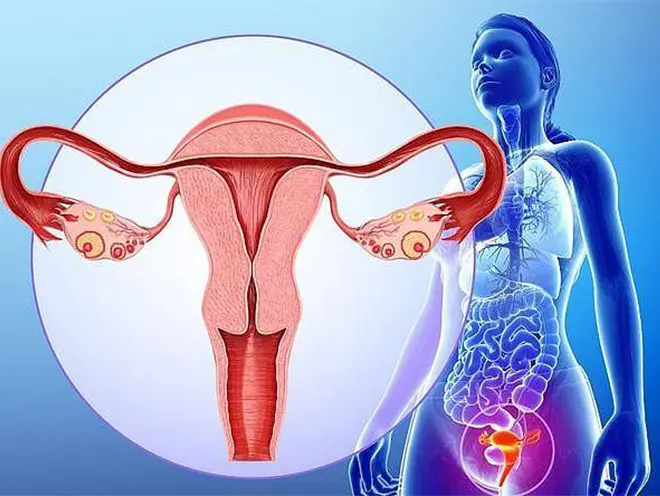
Ovarian cancer is a type of cancer that develops in the ovaries, the female reproductive organs responsible for producing eggs and hormones such as estrogen and progesterone. In some cases, the cancer may also begin in the fallopian tubes or nearby tissues before spreading to the ovaries. Because early symptoms are often mild or unclear, ovarian cancer is frequently diagnosed at a more advanced stage.
At We Care Asia China, we believe that understanding the disease is an important first step toward making informed treatment decisions. With advances in medical technology and personalized cancer care, many patients today have access to more effective treatment options and better quality of life.
Types of Ovarian Cancer
Ovarian cancer is classified according to the type of cells where the cancer begins.
Epithelial Ovarian Cancer
This is the most common type, accounting for the majority of ovarian cancer cases. It starts in the thin layer of tissue covering the ovaries or fallopian tubes.
Germ Cell Tumors
These tumors develop from the cells that produce eggs. They are less common and are more likely to occur in younger women.
Stromal Tumors
This type begins in the ovarian tissue responsible for producing hormones. Stromal tumors are relatively rare and may grow more slowly compared to other forms of ovarian cancer.
Common Symptoms of Ovarian Cancer
Early ovarian cancer may not cause noticeable symptoms. When symptoms do appear, they can often resemble common digestive or urinary problems. Persistent symptoms should not be ignored.
Common signs and symptoms include:
- Abdominal bloating or swelling
- Pelvic or abdominal pain
- Feeling full quickly when eating
- Loss of appetite
- Frequent urination
- Changes in bowel habits
- Unexplained weight changes
- Fatigue
- Back pain
- Menstrual irregularities
If these symptoms continue for several weeks or become more severe over time, medical evaluation is strongly recommended.
Risk Factors
Several factors may increase the risk of developing ovarian cancer, including:
- Increasing age, especially after menopause
- Family history of ovarian or breast cancer
- Inherited gene mutations such as BRCA1 and BRCA2
- History of endometriosis
- Obesity
- Hormone replacement therapy over a long period
- Never having been pregnant
Having one or more risk factors does not necessarily mean a person will develop ovarian cancer, but regular medical check-ups may help with earlier detection.
How Ovarian Cancer Is Diagnosed
Doctors may use several methods to diagnose ovarian cancer and determine how far it has spread. These may include:
- Physical and pelvic examinations
- Blood tests such as CA-125
- Ultrasound scans
- CT scans or MRI imaging
- PET-CT scans
- Biopsy procedures
Accurate diagnosis is essential for choosing the most suitable treatment plan.
Stages of Ovarian Cancer
Ovarian cancer is generally divided into four stages:
- Stage I: Cancer is limited to the ovaries
- Stage II: Cancer has spread within the pelvis
- Stage III: Cancer has spread to the abdominal lining or lymph nodes
- Stage IV: Cancer has spread to distant organs such as the liver or lungs
The stage of cancer helps doctors determine the most appropriate treatment strategy.
Treatment Options for Ovarian Cancer
Treatment depends on several factors, including the type of ovarian cancer, stage of the disease, overall health condition, and the patient’s treatment goals.
Surgery
Surgery is often performed to remove as much of the tumor as possible. In some cases, the ovaries, fallopian tubes, uterus, or nearby tissues may also need to be removed.
Chemotherapy
Chemotherapy uses anti-cancer drugs to destroy cancer cells or stop them from growing. It may be given before or after surgery.
Targeted Therapy
Targeted therapy focuses on specific genetic or molecular changes in cancer cells, helping improve treatment precision while minimizing damage to healthy tissue.
Immunotherapy
Some patients may benefit from immunotherapy, which helps the body’s immune system recognize and attack cancer cells.
HIPEC Therapy
For selected advanced ovarian cancer cases that have spread within the abdominal cavity, HIPEC (Hyperthermic Intraperitoneal Chemotherapy) may be considered. This procedure combines surgery with heated chemotherapy delivered directly into the abdomen.
At We Care Asia China, patients can receive guidance in exploring modern cancer treatment options, second opinions, and personalized treatment planning based on their medical condition.
Importance of Early Detection
Although ovarian cancer can be difficult to detect early, recognizing persistent symptoms and seeking medical attention promptly can improve the chances of successful treatment. Women with a strong family history of cancer may also consider genetic counseling and regular screenings as part of preventive care.
Living with Ovarian Cancer
Living with ovarian cancer can affect both physical and emotional well-being. Support from family members, healthcare professionals, nutrition specialists, and counseling services can help patients manage treatment and recovery more comfortably.
With ongoing advancements in cancer research, many ovarian cancer patients today are achieving better treatment outcomes and improved quality of life.