

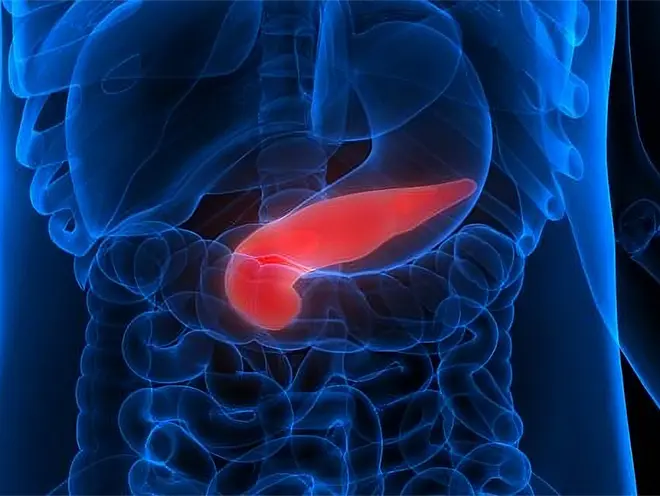
Pancreatic cancer is a disease that begins in the pancreas, an organ located deep inside the abdomen behind the stomach. The pancreas plays an important role in digestion and blood sugar control by producing digestive enzymes and hormones such as insulin.
Because the pancreas is located deep within the body, pancreatic cancer is often difficult to detect in its early stages. Many patients do not notice symptoms until the disease has progressed. However, advances in modern medical technology now provide more treatment options and better support for patients.
What Is Pancreatic Cancer?
Pancreatic cancer occurs when abnormal cells in the pancreas grow uncontrollably and form a tumor. The most common type is pancreatic adenocarcinoma, which develops in the ducts of the pancreas. A less common type is pancreatic neuroendocrine tumor (NET), which forms in hormone-producing cells.
Common Symptoms of Pancreatic Cancer
Early-stage pancreatic cancer may not cause noticeable symptoms. As the disease develops, patients may experience:
- Upper abdominal pain or back pain
- Unexplained weight loss
- Loss of appetite
- Nausea or vomiting
- Fatigue or weakness
- Yellowing of the skin and eyes (jaundice)
- Changes in bowel habits
- Sudden onset of diabetes or difficulty controlling blood sugar levels
These symptoms can also be related to other medical conditions, so proper medical evaluation is important.
Risk Factors
Although the exact cause of pancreatic cancer is not always known, several factors may increase the risk, including:
- Smoking
- Chronic pancreatitis
- Family history of pancreatic cancer
- Diabetes
- Obesity
- Older age
- Long-term exposure to certain chemicals or industrial environments
Studies also show that hereditary factors may contribute to some pancreatic cancer cases.
How Pancreatic Cancer Is Diagnosed
Doctors may use several examinations to confirm pancreatic cancer and determine its stage, including:
- CT Scan
- MRI or MRCP
- PET-CT Scan
- Endoscopic Ultrasound (EUS)
- Blood tests and tumor markers
- Biopsy
Because pancreatic cancer can spread quickly, early and accurate diagnosis is very important in creating an effective treatment plan.
Treatment Options for Pancreatic Cancer
Treatment depends on the stage of cancer, tumor size, overall health condition, and whether the cancer has spread. Common treatment methods include:
Surgery
Surgery may be recommended when the tumor is still localized and removable. In some cases, procedures such as the Whipple operation may be performed.
Chemotherapy
Chemotherapy uses anti-cancer drugs to destroy cancer cells or slow their growth.
Radiation Therapy
Radiation therapy uses high-energy rays to target and destroy cancer cells.
Minimally Invasive Treatments
Modern cancer treatment centers now offer minimally invasive therapies designed to target tumors more precisely while reducing damage to healthy tissue. These may include:
- Interventional therapy
- NanoKnife technology
- Microwave ablation
- Cryotherapy
- Particle implantation
- Targeted therapy
- Immune-based therapies
These approaches may help reduce pain, shorten recovery time, and improve quality of life for selected patients.
The Importance of Personalized Cancer Care
Every pancreatic cancer case is different. Many hospitals now use a multidisciplinary team (MDT) approach, where specialists from different medical fields work together to create personalized treatment plans for each patient. This allows patients to receive more comprehensive and coordinated care.
Support and Hope for Patients
A pancreatic cancer diagnosis can feel overwhelming, but advances in medical technology continue to improve treatment possibilities. Early consultation, accurate diagnosis, and personalized treatment planning can make an important difference.
At We Care Asia China, we are committed to helping patients understand their condition and explore modern treatment options with compassionate, patient-centered care.