

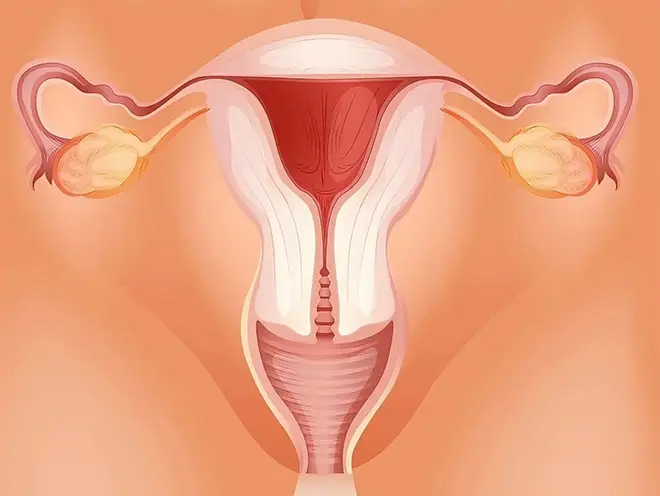
Vaginal cancer is a rare type of cancer that develops in the tissues of the vagina — the muscular canal that connects the cervix to the outside of the body. Although uncommon, early detection can greatly improve treatment outcomes.
Vaginal cancer usually begins in the thin cells lining the vaginal wall. In some cases, it may spread from nearby organs such as the cervix or uterus.
Types of Vaginal Cancer
There are several types of vaginal cancer, including:
- Squamous Cell Carcinoma
The most common type, starting in the thin cells lining the vagina. - Adenocarcinoma
Begins in glandular cells and may affect younger women. - Melanoma
A rare form that develops in pigment-producing cells. - Sarcoma
Starts in the connective tissues or muscles of the vagina.
Common Symptoms of Vaginal Cancer
In the early stages, vaginal cancer may not cause noticeable symptoms. As the disease progresses, symptoms may include:
- Unusual vaginal bleeding
- Bleeding after menopause
- Bleeding after sexual intercourse
- Watery, bloody, or unpleasant-smelling vaginal discharge
- A lump or growth in the vagina
- Vaginal itching or discomfort
- Pain during intercourse
- Pelvic pain
- Frequent urination or constipation in advanced cases
If you experience persistent or unusual symptoms, it is important to seek medical attention promptly.
Risk Factors
Several factors may increase the risk of developing vaginal cancer:
- Human papillomavirus (HPV) infection
- Increasing age
- History of cervical cancer or precancerous conditions
- Smoking
- Weak immune system
- HIV infection
- Exposure to certain medications before birth, such as DES (diethylstilbestrol)
Having one or more risk factors does not mean a person will definitely develop cancer, but regular screening and check-ups are important.
How Vaginal Cancer Is Diagnosed
Doctors may use several tests to diagnose vaginal cancer, including:
Pelvic Examination
A physical examination to check for abnormal changes or growths.
Colposcopy
A special magnifying device is used to closely examine the vagina and cervix.
Biopsy
A small tissue sample is taken for laboratory testing to confirm whether cancer cells are present.
Imaging Tests
Scans such as CT, MRI, or PET scans help determine the size of the tumor and whether the cancer has spread.
Treatment Options for Vaginal Cancer
Treatment depends on the type, stage, and overall health of the patient. Common treatment methods include:
Radiation Therapy
High-energy radiation is used to destroy cancer cells. This may be given externally or internally (brachytherapy).
Surgery
Surgery may remove part or all of the affected tissue, depending on the stage of the cancer.
Chemotherapy
Anti-cancer drugs are used to kill or slow the growth of cancer cells. Chemotherapy is often combined with radiation therapy.
Targeted Therapy and Immunotherapy
Some patients may benefit from newer treatment approaches designed to specifically target cancer cells or strengthen the immune system.
Can Vaginal Cancer Be Prevented?
While vaginal cancer cannot always be prevented, the following steps may help reduce risk:
- Get vaccinated against HPV
- Attend regular gynecological screenings
- Practice safe sex
- Avoid smoking
- Maintain a healthy lifestyle and balanced diet
The Importance of Early Detection
Early diagnosis significantly improves the chances of successful treatment. Many symptoms of vaginal cancer can resemble less serious conditions, which is why regular medical check-ups are important.
At We Care Asia China, we are committed to helping patients access comprehensive cancer information, advanced treatment options, and compassionate support throughout their care journey.