

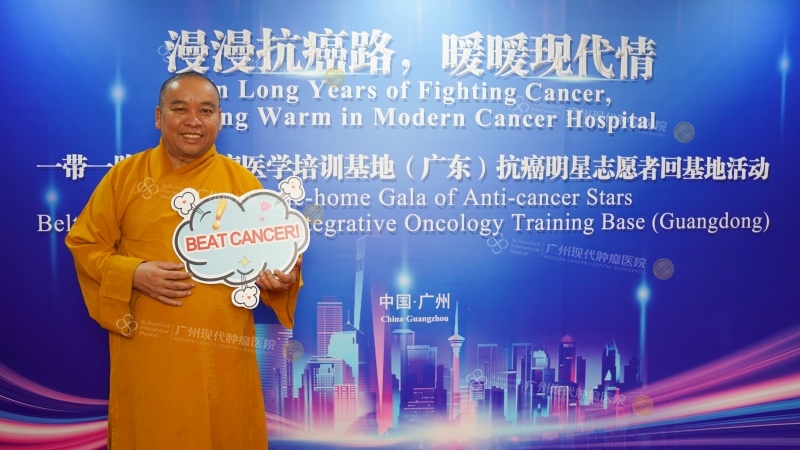
I have devoted most of my life to Buddhism. Since I was ten years old, I lived as a monk, studying Buddhist teachings and serving at temples in Vietnam. For many years, I believed I understood suffering, patience, and acceptance. But in 2019, I faced the greatest challenge of my life when my long battle with hepatitis C turned into liver cancer.
Before the diagnosis, my health slowly worsened. I experienced constant fatigue, fever, pain in the upper right side of my abdomen, headaches, and even numbness and pain around my jaw and lips. At first, I tried to endure it quietly, believing it was only temporary exhaustion. However, after medical examinations and CT scans at a local hospital, doctors informed me that I had hepatocellular carcinoma along with liver cirrhosis.
The doctors immediately suggested surgery. They warned me that without treatment, I might survive only three months. Even with surgery, the success rate was very low. Hearing those words felt like standing at the edge of life itself. Still, I hesitated. I was afraid of major surgery, afraid of the risks, infections, and complications afterward. Deep inside, I did not want my body to go through such a traumatic procedure.
At that difficult moment, one of my disciples told me about a hospital in Guangzhou that specialized in minimally invasive cancer treatment. He shared the story of another patient whose tumor had disappeared after treatment there. What attracted me most was the possibility of fighting cancer without open surgery. Soon after, I traveled to Guangzhou for consultation and treatment.
When I arrived, the medical team carefully reviewed my condition and created a treatment plan using interventional therapy and NanoKnife technology. My tumor at that time measured around 70 × 60 mm. I remember feeling nervous before the first procedure, but the doctors and nurses treated me with kindness and patience, which gave me confidence.
The treatment experience was very different from what I had feared. The procedures were minimally invasive and relatively quick. During interventional therapy, I did not feel severe pain, and I was able to get out of bed the next day. The NanoKnife treatment was performed under general anesthesia, so I felt nothing during the process. Gradually, follow-up scans showed encouraging results. My tumor shrank dramatically after only one month, and after several months of treatment, it completely disappeared.
In total, I underwent several sessions of treatment followed by immunotherapy to strengthen the results. The symptoms that once disturbed my daily life — fever, headaches, and facial nerve pain — slowly disappeared as well. More importantly, I regained hope.
Now, more than five years later, I continue to live a healthy and meaningful life. I can eat normally, exercise, manage temple activities, and enjoy each day with gratitude. My experience taught me that cancer is not always the end of life. It can become a condition that challenges our courage, faith, and determination.
I always tell other patients not to lose hope after receiving a diagnosis. Trust your doctors, keep your spirit strong, and believe that recovery is possible. For me, surviving liver cancer was not only a medical journey, but also a spiritual one that reminded me how precious life truly is.